Quick answer: Choose realistic or anime according to the visual world you want to revisit. Do not assume either style produces better conversation. Personality, background, memory scope and the way you guide scenes have a greater effect on the ongoing interaction.
Secrets AI currently includes realistic and anime appearance options in its custom character flow. This makes style an early design decision, but it should not become a substitute for evaluating the companion itself.
The useful question is not “Which style is better?” It is “Which style supports the kind of character and story I want to maintain?”
What the style choice actually changes
The realistic-versus-anime choice primarily defines visual presentation. It influences how the character appears in previews and generated media. It may also change your expectations before the conversation begins, because different visual traditions suggest different genres and tones.
That expectation can be helpful, but it can also create a false shortcut. A realistic character can support fantasy roleplay. An anime character can support quiet everyday conversation. The visual direction does not lock the character into a particular personality.
AI Video Gallery
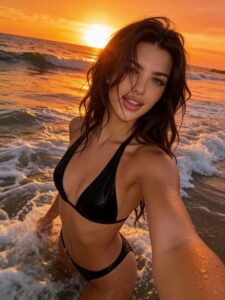
A preview of selected portrait videos and AI character images.
When realistic presentation may fit better
Realistic presentation may suit users who want an experience visually connected to contemporary life, such as everyday conversation, travel, work, city settings or a relationship that feels grounded in familiar environments.
It can also be useful when visual consistency is more important to you than genre stylization. That does not mean realism will always be more consistent. It means the reference point is closer to ordinary photography, which may make inconsistencies easier for you to notice.
Choose it because the visual world feels right, not because you expect the companion to behave more like a person.
When anime presentation may fit better
Anime presentation may suit users who enjoy stylized characters, expressive designs and settings that are not tied to everyday realism. It can support school-life fiction, fantasy, science fiction, supernatural stories or simply a visually illustrated companion experience.
The style can make fictional premises feel more natural, but it does not require an exaggerated personality. A calm, restrained or intellectually serious anime character can work well when the background and behavior are aligned.
Do not build personality from visual stereotypes
A common mistake is to let appearance determine every trait. A confident-looking realistic character does not need to be dominant. A colorful anime character does not need to be excitable. Stereotypes make the character predictable and reduce the number of directions a conversation can take.
Instead, separate the design into layers:
- Appearance: how the character is presented.
- Temperament: how the character tends to react.
- Motivation: what the character wants.
- Relationship stance: how the character initially sees you.
- Change condition: what could make the relationship evolve.
The personality ideas guide can help fill these layers without relying on visual shorthand.
Use the same conversation test for either style
Evaluate realistic and anime companions with the same standards. Ask whether the character stays recognizable, responds to corrections and contributes to the conversation. If you plan long-term use, test whether the background creates useful material after the introductory scene.
A practical three-part test is:
- Discuss a normal topic to evaluate conversational rhythm.
- Introduce a small conflict to see whether the personality has boundaries.
- Return to an earlier detail in a later conversation and inspect how continuity is handled.
Style can influence enjoyment. It should not lower the standard you apply to the interaction.
Consider the kind of media you expect to create
If images are central to your use, think about environments, clothing, lighting and recurring visual motifs. A realistic travel companion and an anime fantasy character require different visual planning even when they share the same core personality.
Avoid designing a character around a real person. The current custom-character rules prohibit concepts based on celebrities, influencers, public figures or private individuals. Build an original fictional identity instead.
Which style is easier for beginners?
Neither style is inherently easier to talk to. The easier beginner option is usually a ready-made companion with a clear personality and a simple relationship premise. Visual style can then be chosen according to taste.
The full beginner decision is covered in the companion style guide for first-time users.
A better way to decide
Open one realistic and one anime companion that both appear compatible with your goals. Have a short, ordinary conversation with each. Then choose the visual direction that you want to keep seeing without sacrificing the interaction qualities you value.
If you are creating a character, write the personality and relationship idea first. Select the visual style after the concept can stand on its own. This prevents appearance from doing all the creative work.
For the next step, explore roleplay situations that work with either visual direction.
Think about long-term visual repetition
The character may appear in many images, scenes and interface cards. Choose a style you will enjoy seeing repeatedly, not only the one that creates the strongest first impression. A highly elaborate design can become difficult to recognize across varied clothing and environments, while a simpler visual identity may remain clearer.
Choose two or three signature features rather than relying on a long list of details. Hairstyle, color palette and one recurring accessory can provide a stronger identity than many small attributes that do not affect recognition.
Keep image expectations separate from conversation evidence
If one style produces an image you prefer, that is evidence about visual taste. It does not prove that the character has better memory, stronger reasoning or a more suitable relationship dynamic. Evaluate media and conversation as separate parts of the experience.
This distinction is especially important when comparing two different companions. Their personality definitions may differ at the same time as their appearance styles. A fair test uses characters with comparable interaction goals, then asks which presentation better supports those goals.
A two-day style test
On the first day, have a text-only conversation with one realistic and one anime companion. On the second, return to the stronger conversational fit and inspect whether the chosen visual direction still feels appropriate. This prevents a striking image from deciding the result before the chat has been evaluated.
Use the character concept as the tie-breaker
When both visual directions appeal to you, return to the character’s world. A contemporary architect whose stories center on real cities may feel more coherent with realistic presentation. A guardian from a symbolic dream world may benefit from stylized design. This is not a rule; it is a way to align presentation with the intended atmosphere.
Write the same one-sentence character concept beside both visual options. Choose the style that communicates the idea with less explanation. Then confirm the decision through conversation instead of treating the image as final proof.
Browse both styles and treat the first session as a comparison, not a commitment.
View companion styles on Secrets AI
This button may contain an affiliate link. SecretOpedia may earn a commission at no additional cost to you.
Sources reviewed
This article was checked against the following sources on July 13, 2026. Product behavior and availability can change, so verify important details on the official service.